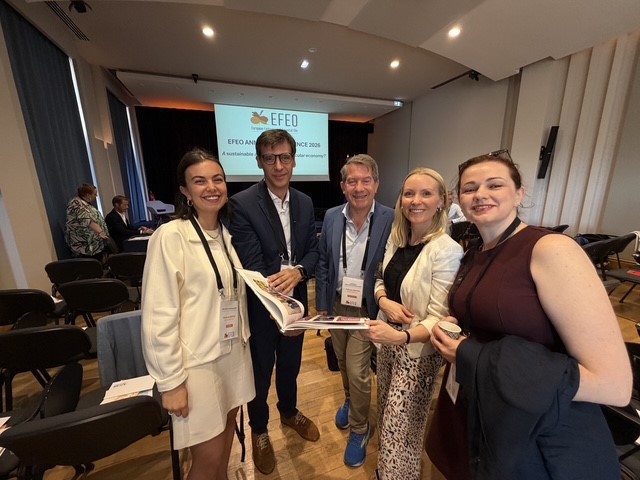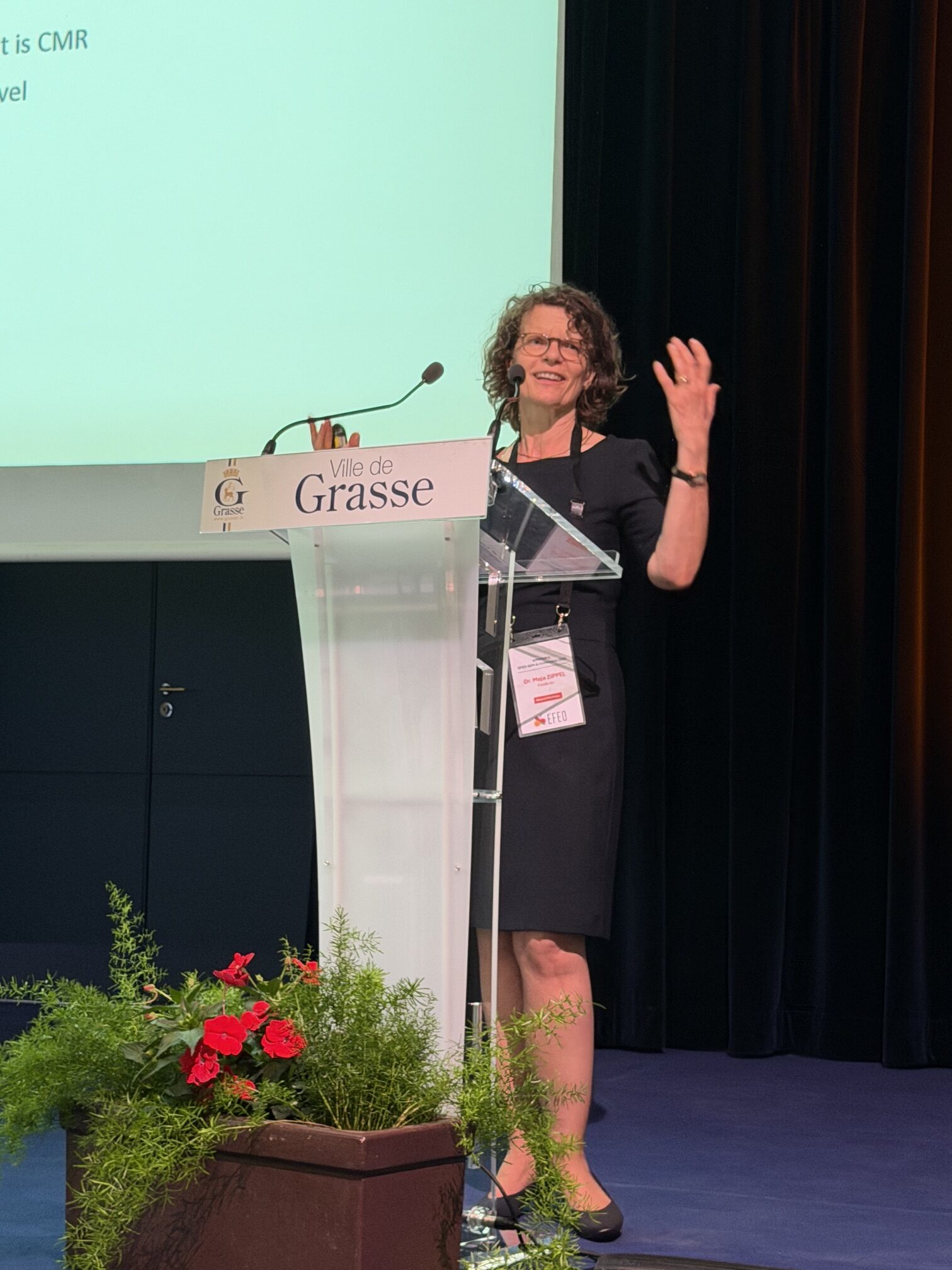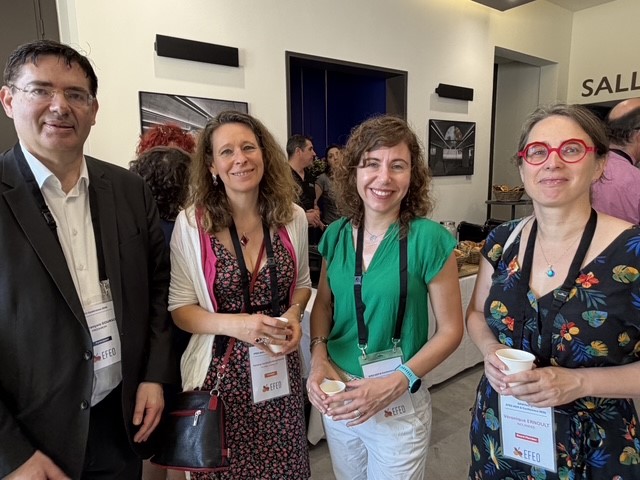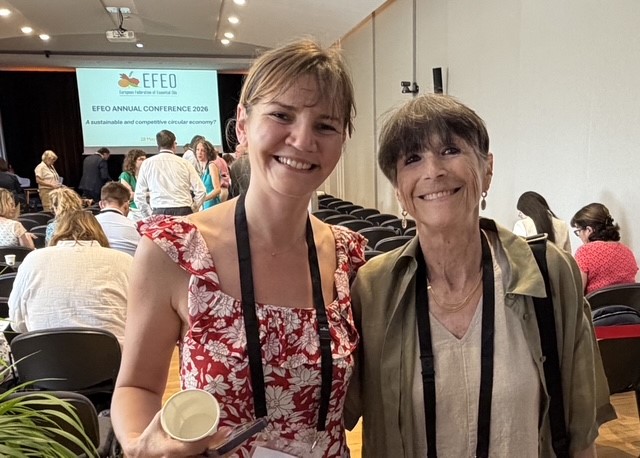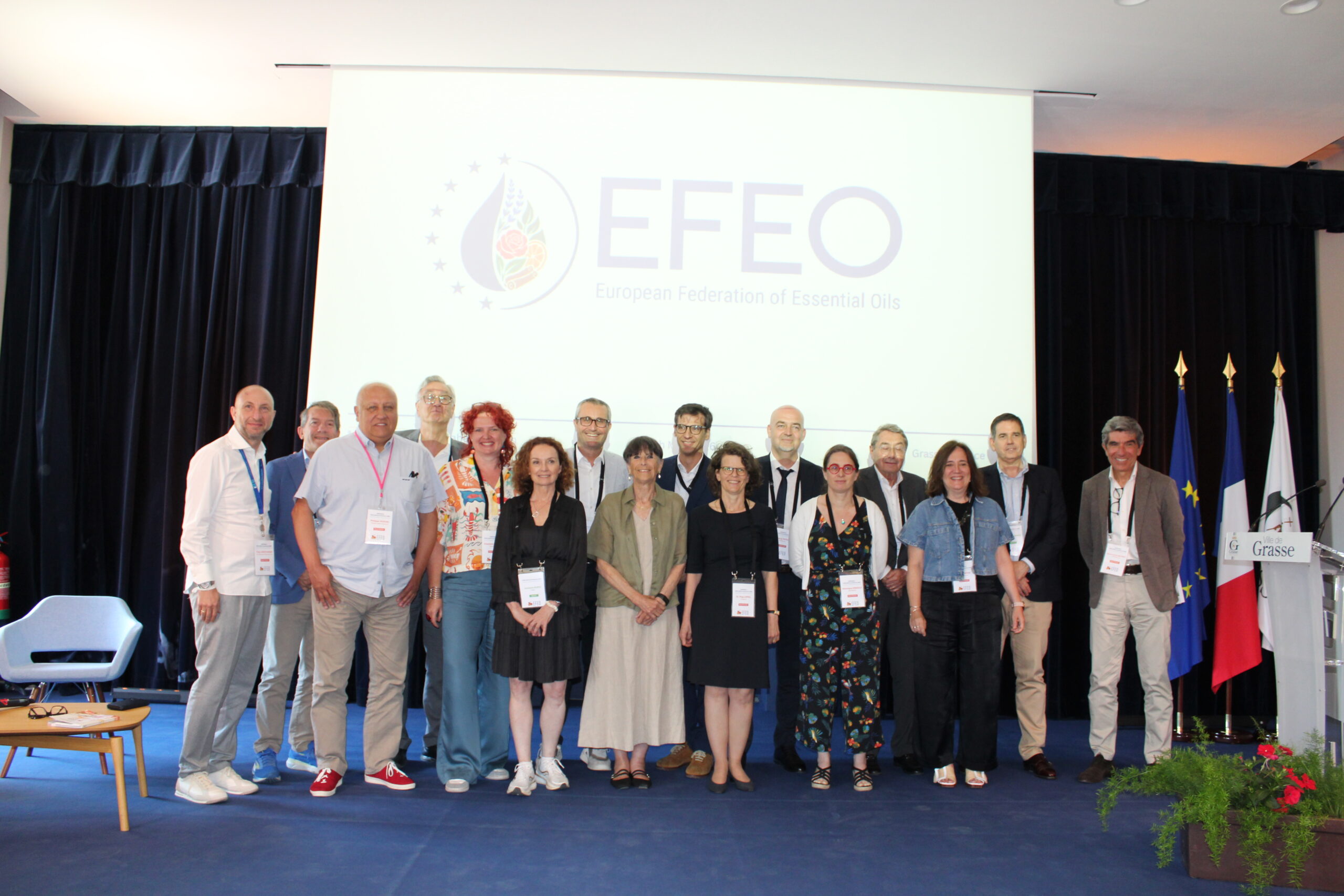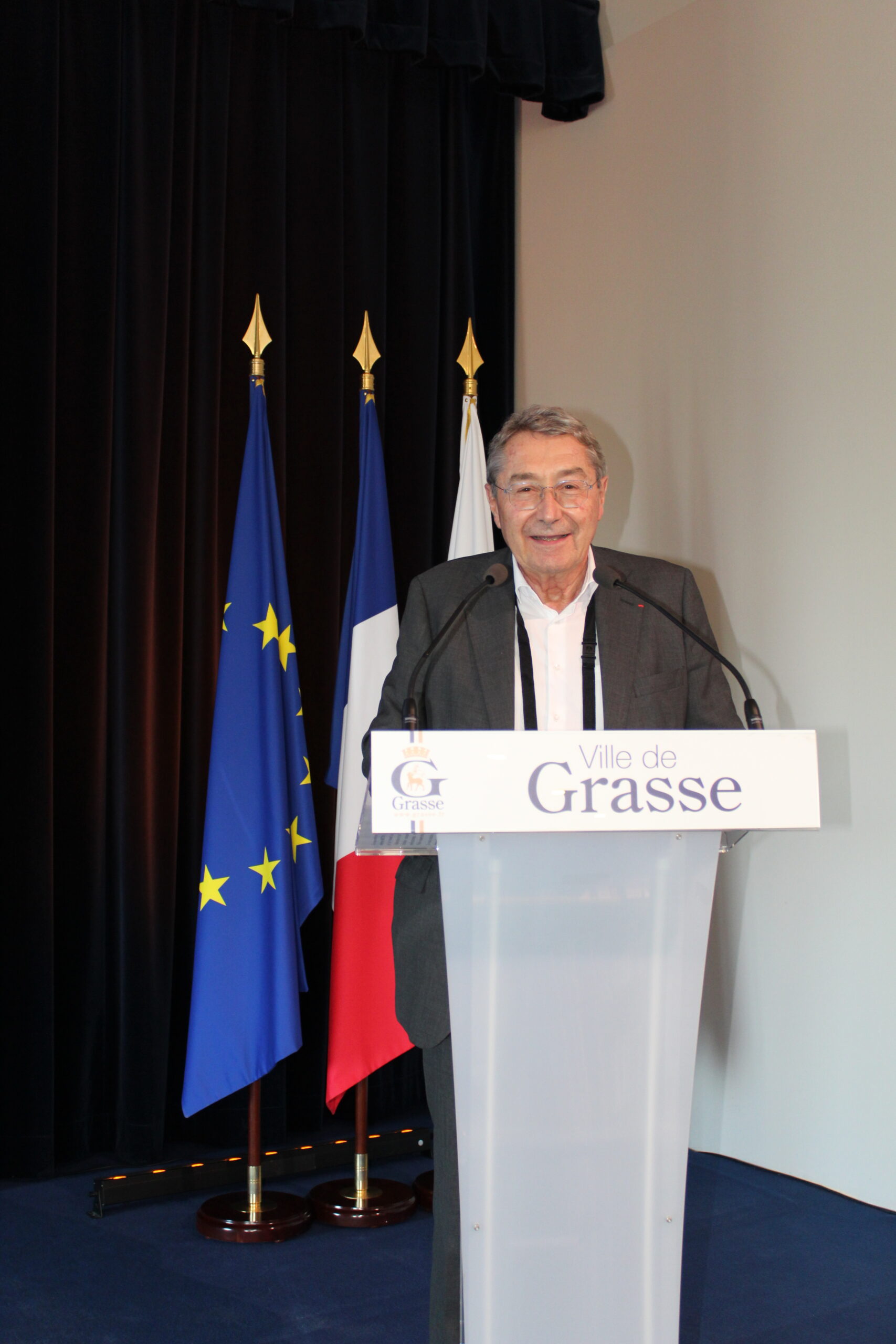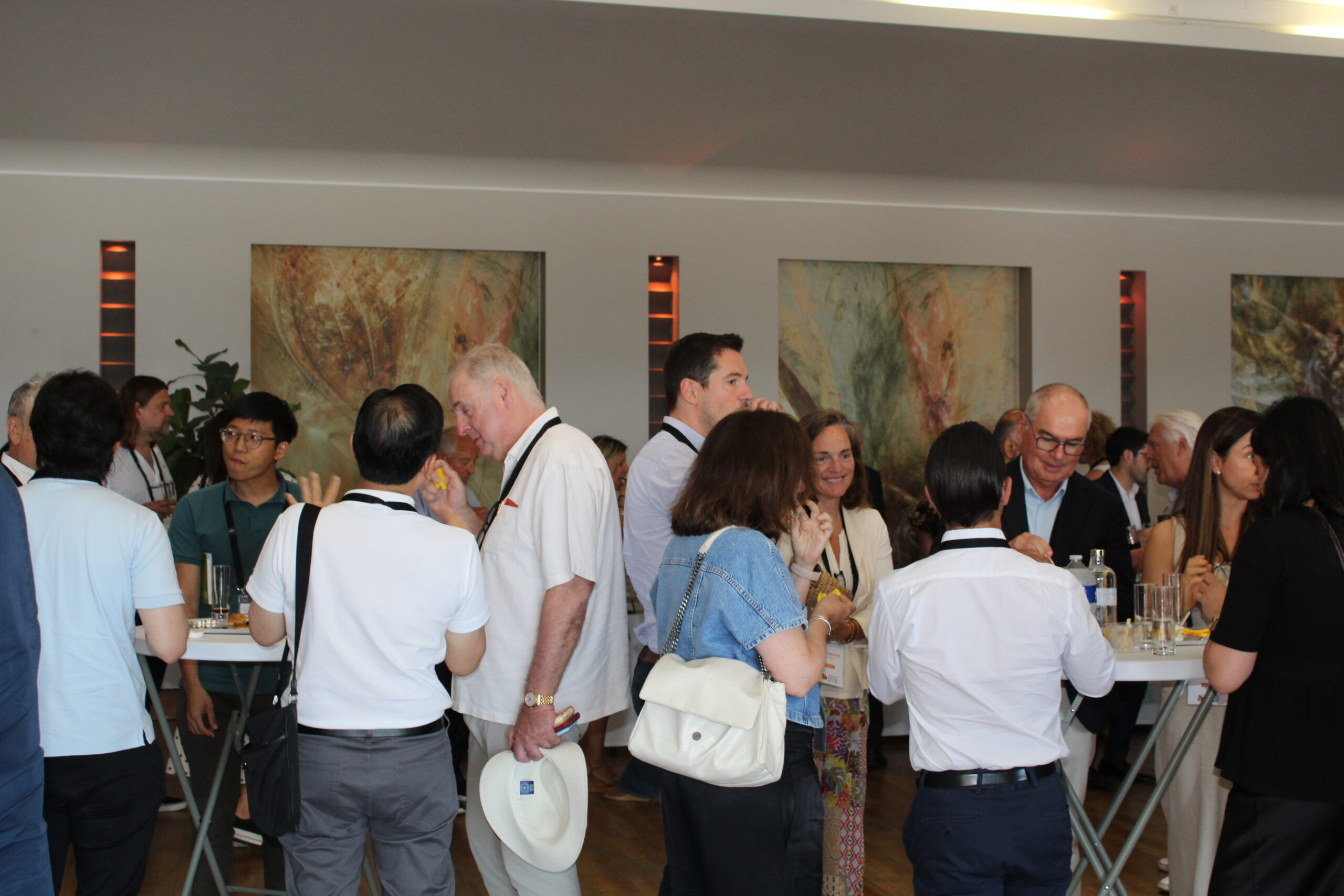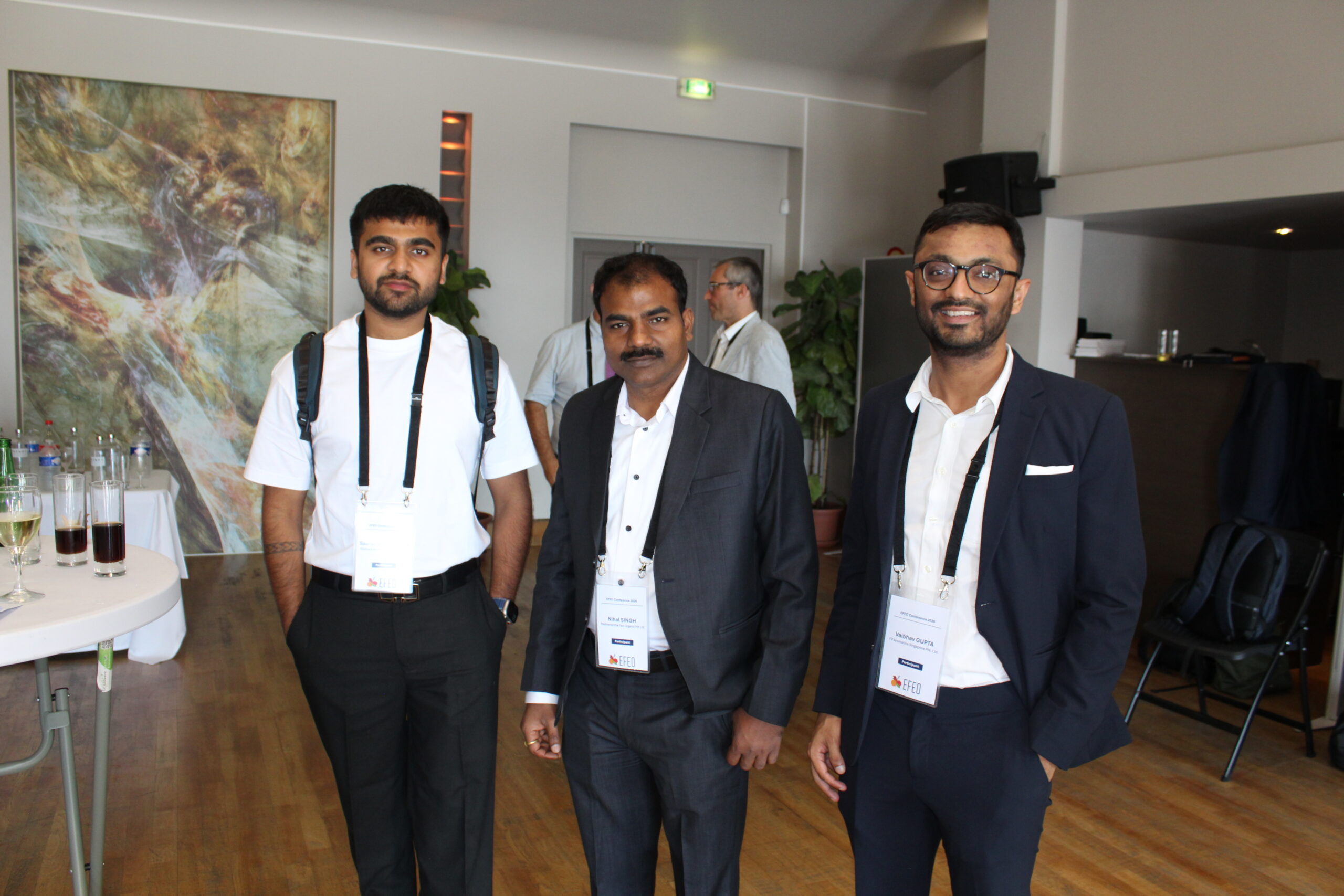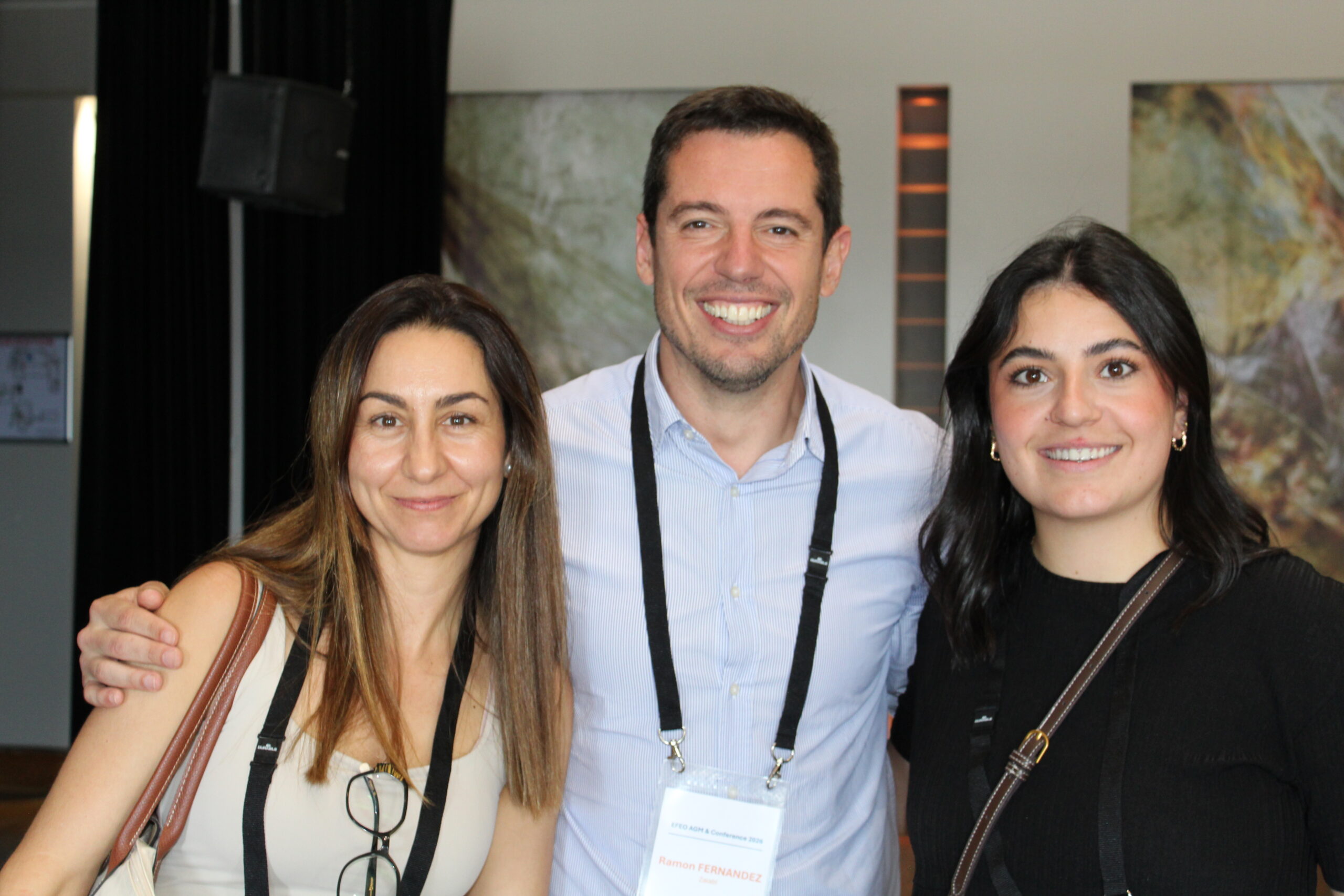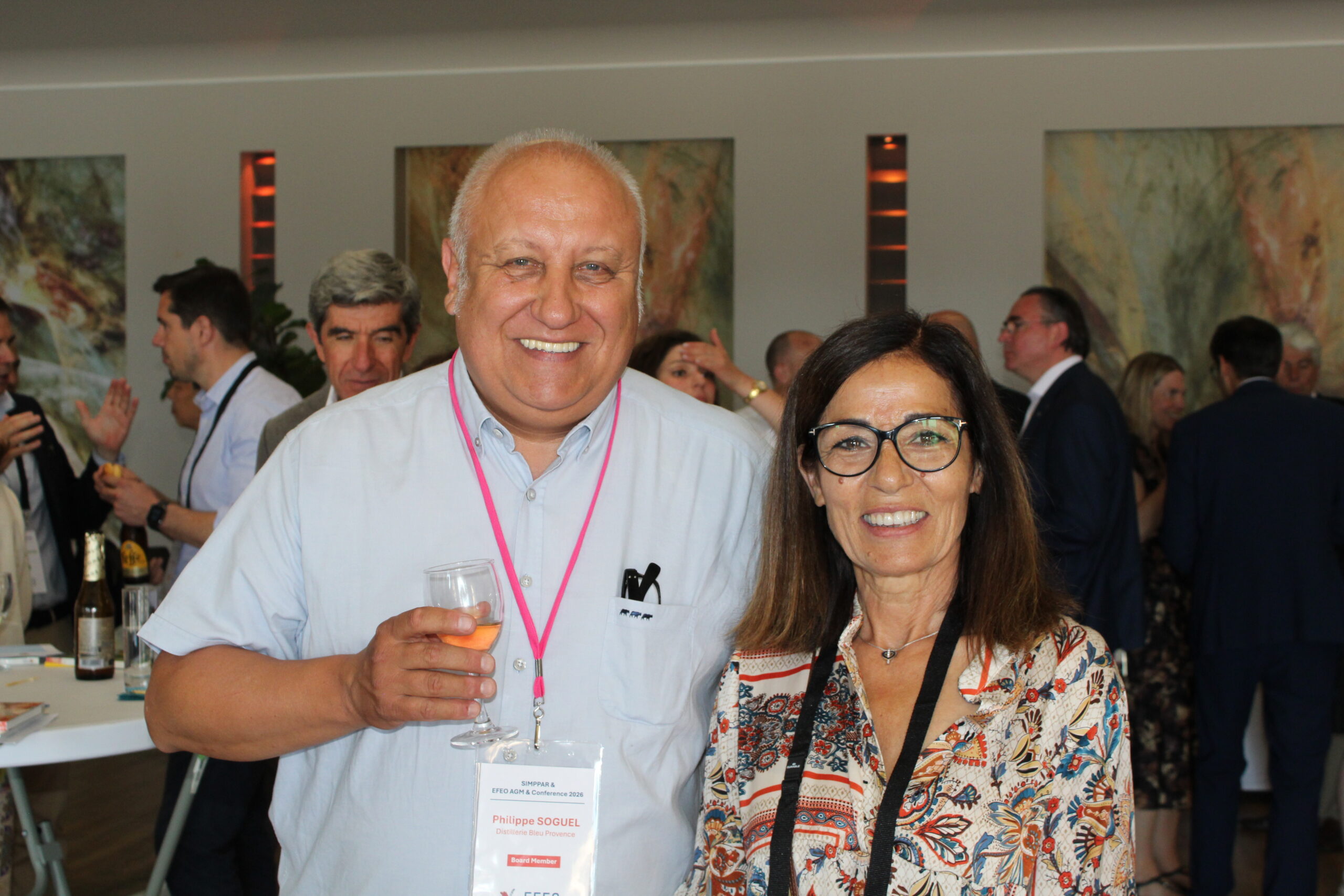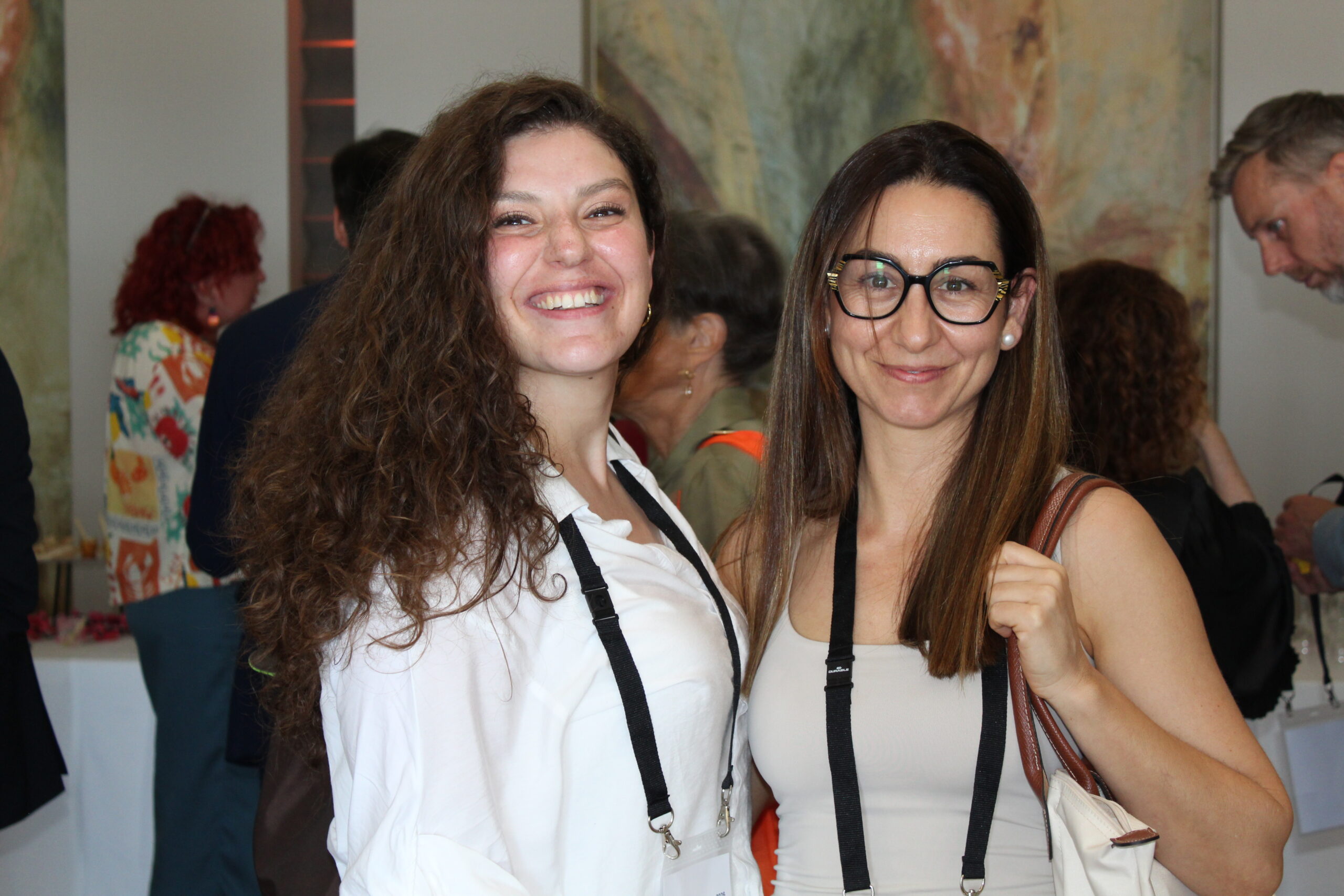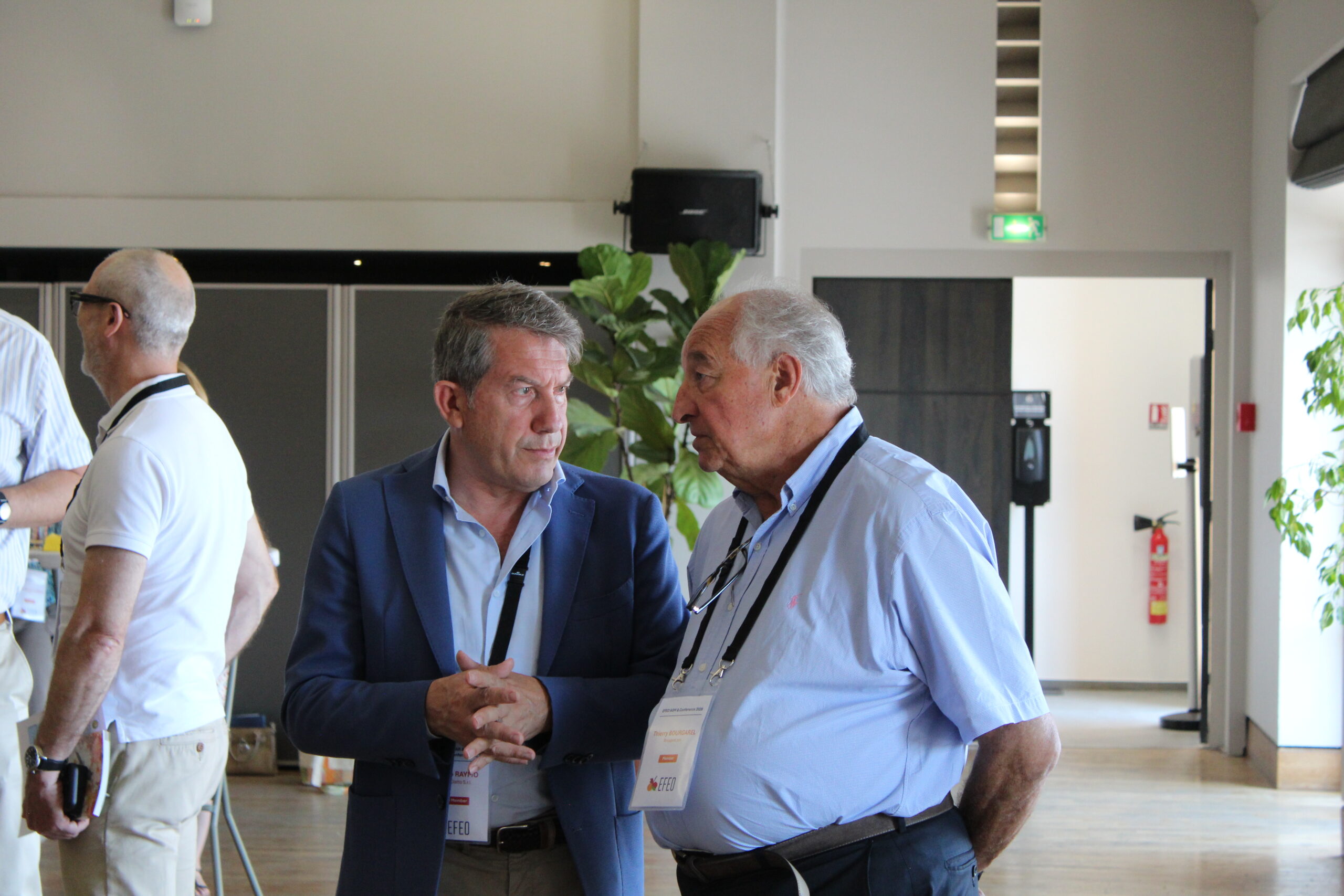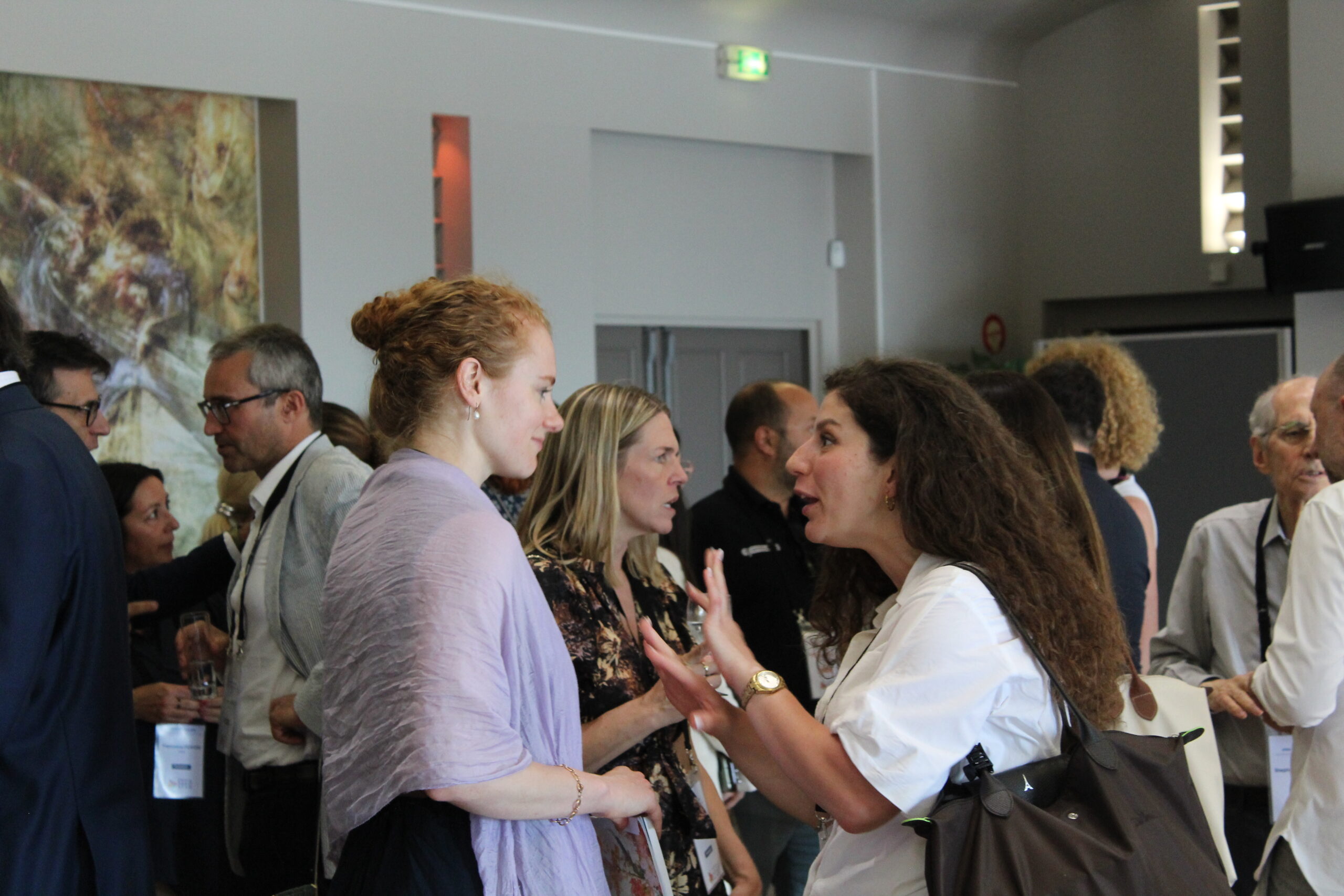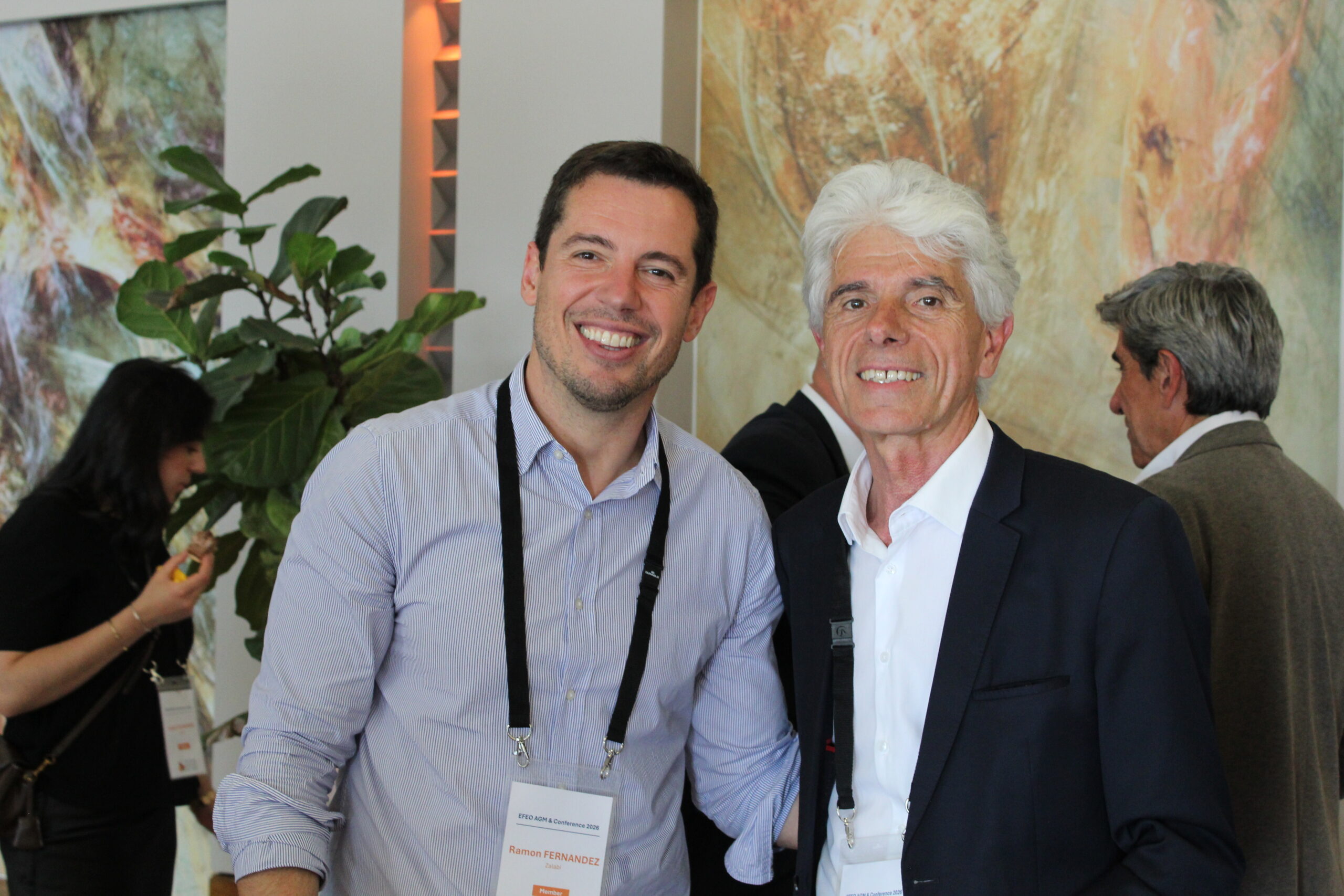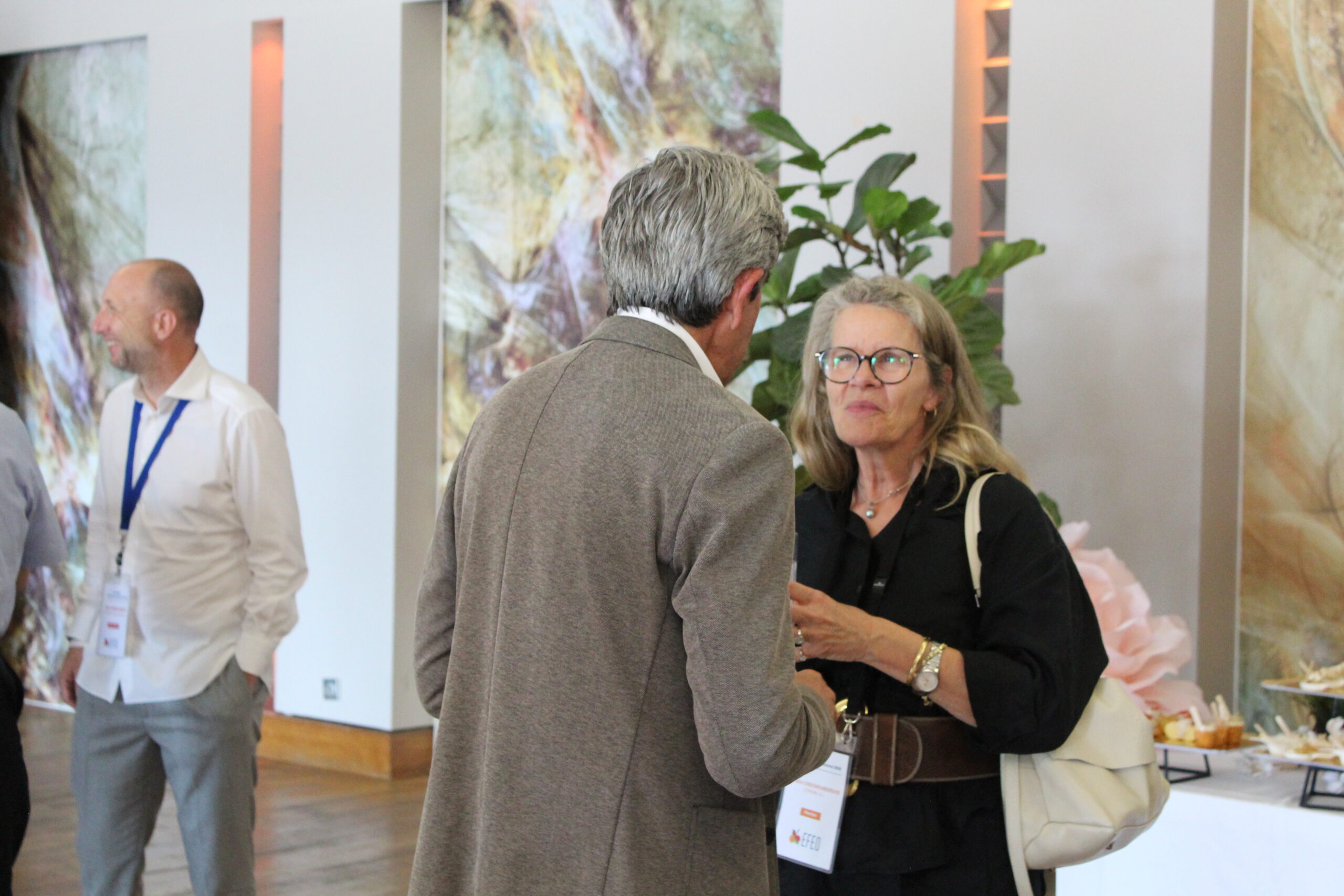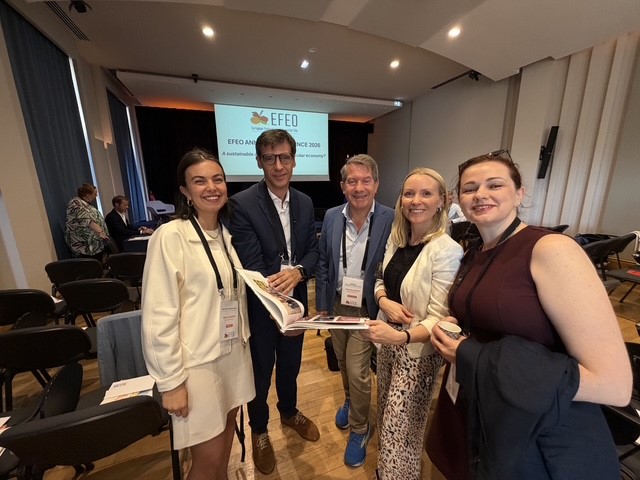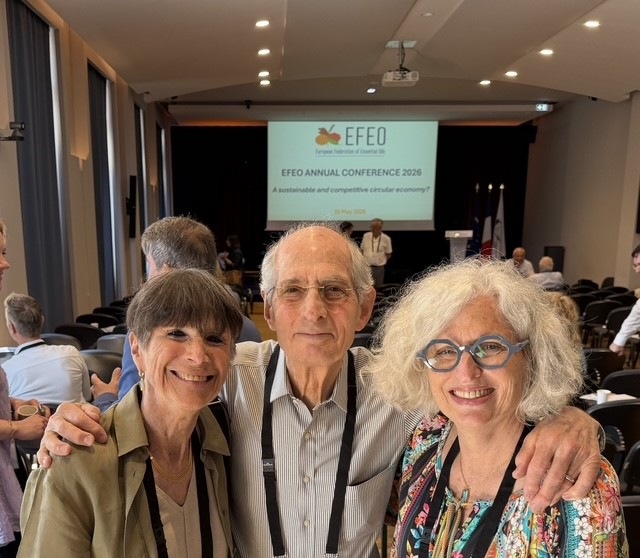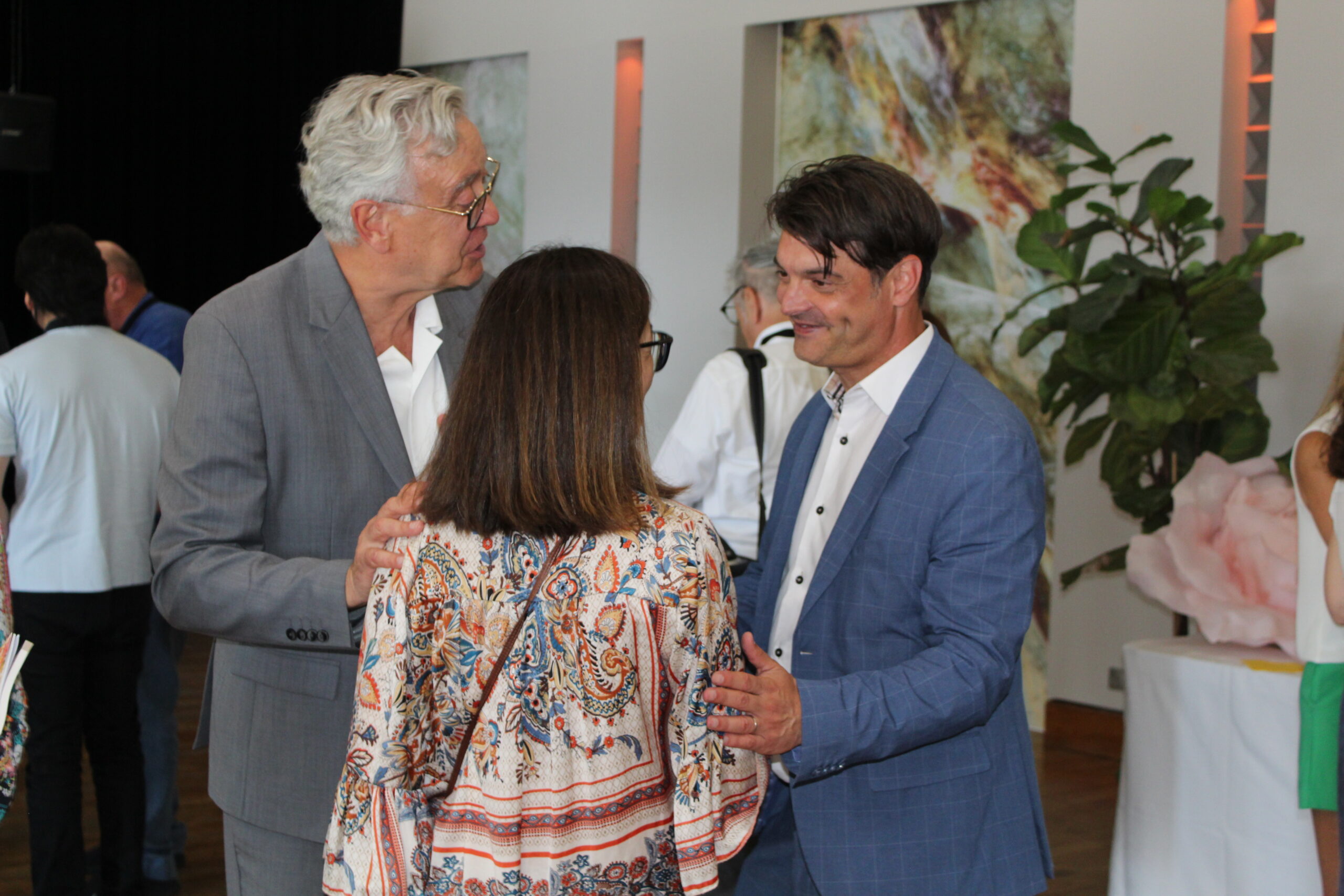
MEP Sirpa Pietikäinen opened the conference by warmly welcoming the industry’s commitment to producing more sustainable ingredients. She paid tribute to the sector’s tangible impact on farming communities and underlined the importance of sharing experience and knowledge across sectors. In her view, transversal projects and continuous innovation are essential to advancing circularity in practice. Acknowledging that the road ahead is long, she nonetheless called on industry representatives to keep engaging actively with policymakers, stressing that this dialogue is indispensable to making circularity a regulatory and economic reality in Europe.
Gaëlle Marion, from DG Agriculture at the European Commission, paid tribute to the essential oils sector’s significant contribution to the EU economy. She framed the bioeconomy as a pillar of European resilience and noted that the new EU strategy aims to accelerate the transition toward a more circular model. She highlighted that essential oils are already deeply embedded in the bioeconomy transition, positioning the sector as a model for others to follow.
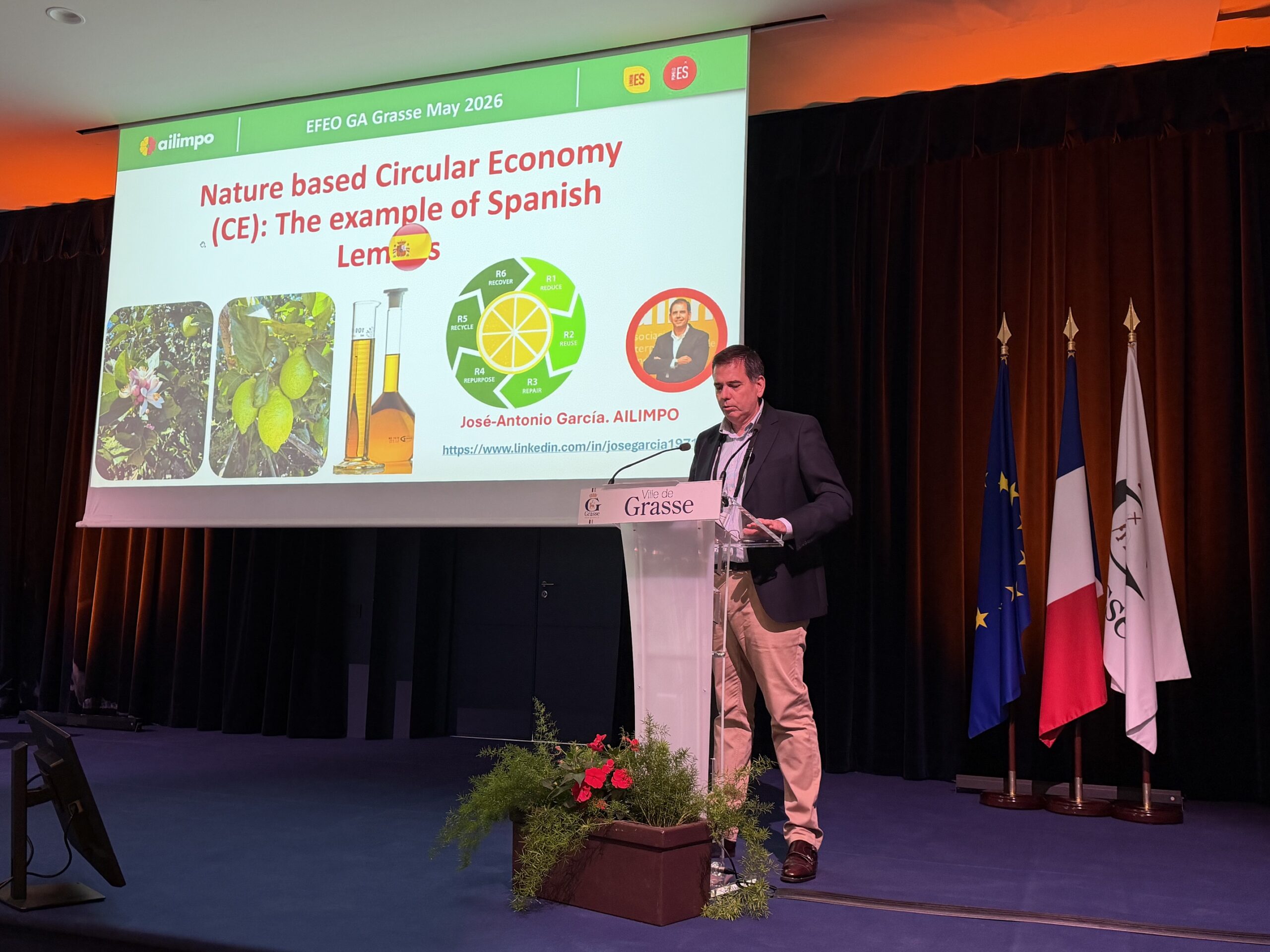
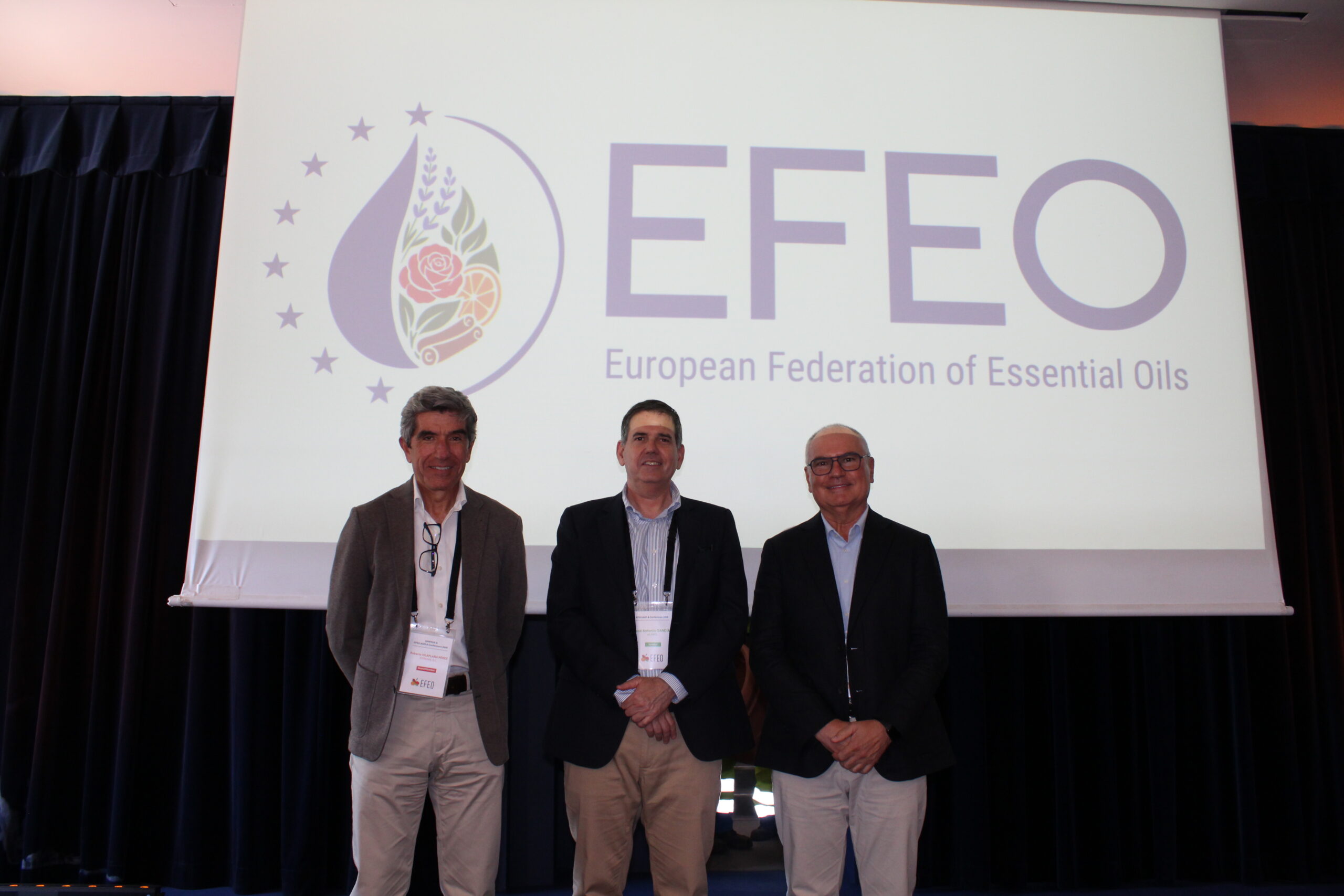
Jose Antonio Garcia of AILIMPO offered a concrete illustration of circular economy principles at work in the lemon industry. He explained that the lemon sector is circular almost by definition, and presented a strategy articulated around six Rs: reduce, reuse, repair, repurpose, recycle, and recover. He illustrated this with a wide range of practical initiatives already in place, including insect hotels, use of pruning remains, vegetation covers, mulching, vertebrate ponds, solar energy, and organic composting. Garcia also noted that circularity inherently supports biodiversity. He acknowledged the complexity involved in implementing circular principles in practice, pointing out that even lemon peel occupies a dual status — simultaneously a waste product and a valuable by-product — which illustrates the nuanced judgements that circular economy management requires.
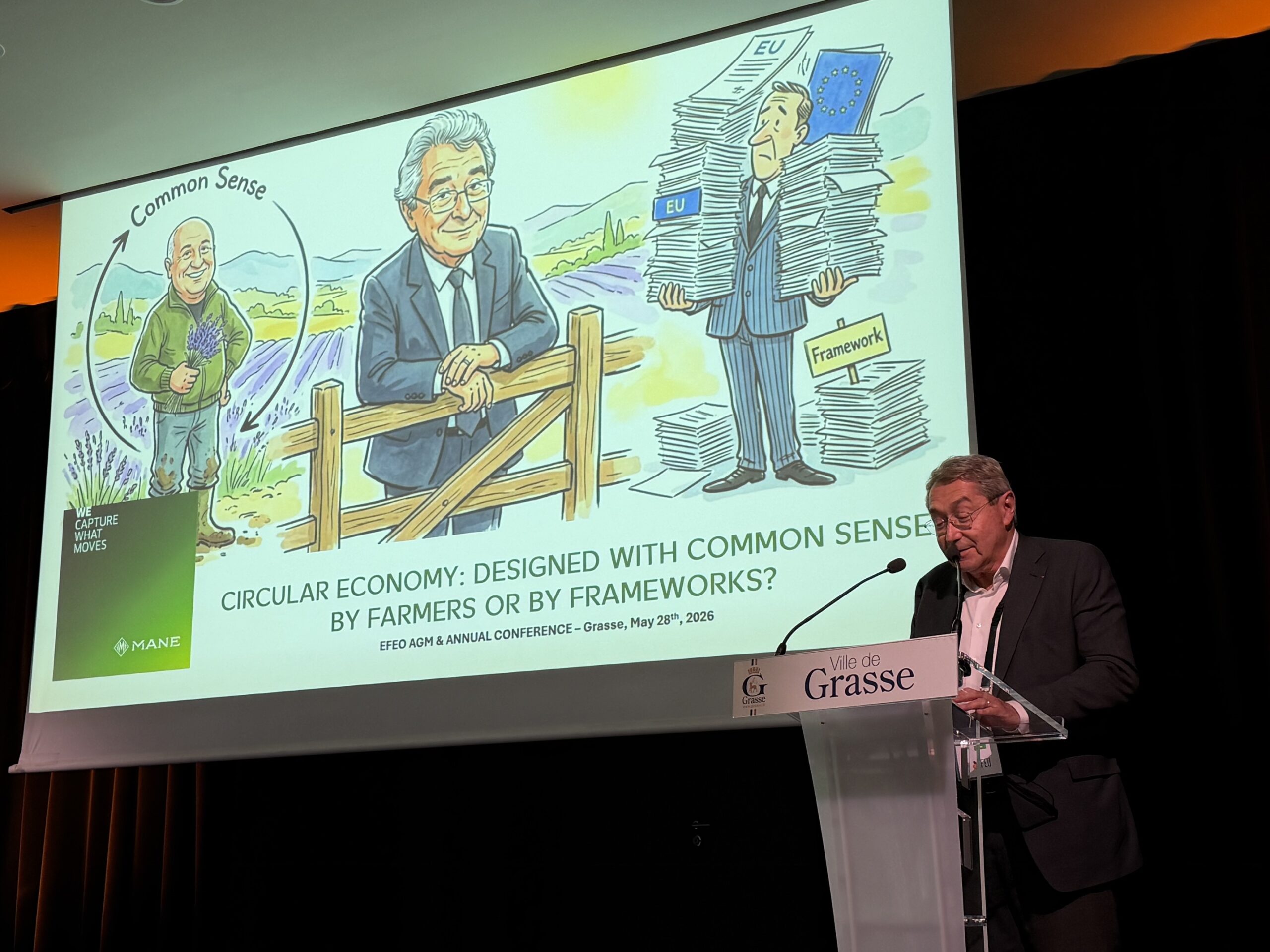
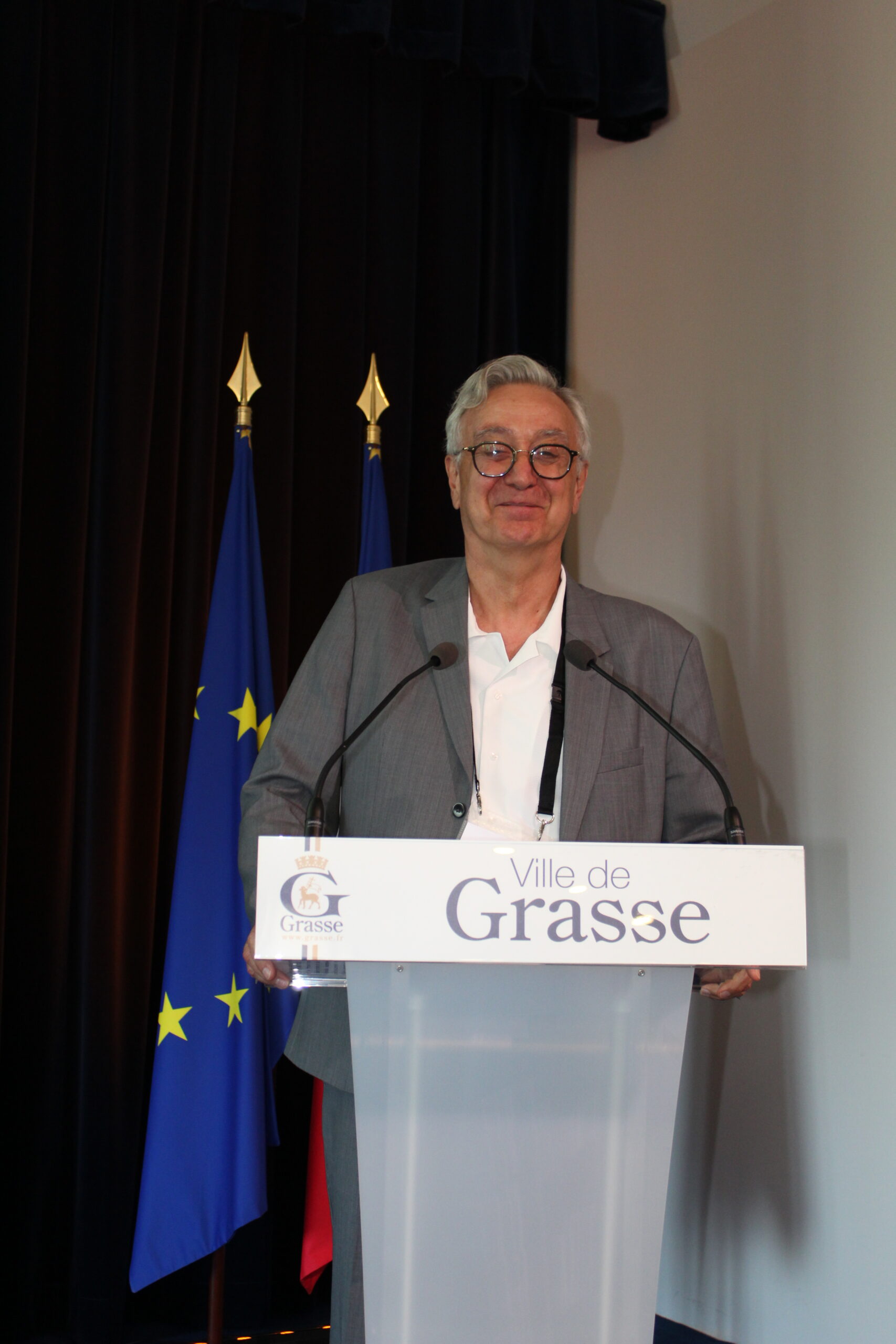
Jean Mane of Mane Investments delivered what was perhaps the most thought-provoking intervention of the day. Speaking under the headline “Do we still smell lavender or regulations?”, he argued that circularity is not a new concept for the essential oils industry — it is deeply rooted in the practical necessity of working with natural raw materials. For generations, producers have made the most of every part of the plant, not out of ideology but out of common sense. The real question today, he contended, is whether the regulatory framework will allow this ingrained circularity to survive. He pointed to several forces threatening established circular models: logistical distance, inadequate or poorly adapted regulation, and taxation. As a striking example, he noted that cocoa had been classified as hazardous waste under certain rules, illustrating how regulatory frameworks can inadvertently destroy rather than encourage circular practices. His conclusion was direct: circular economy is not a future ambition for this industry — it is already in the field, in the still, in the boiler, and in the materials. What is needed now are frameworks that are compatible with that reality, rather than ones that undermine it.
Closing Address, by EFEO President Eric Angelini
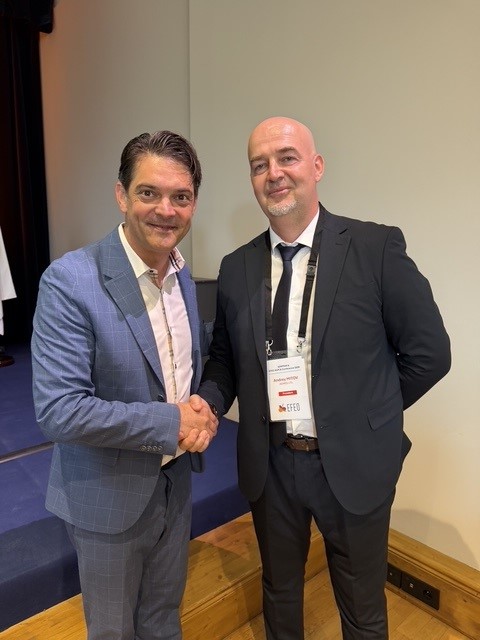
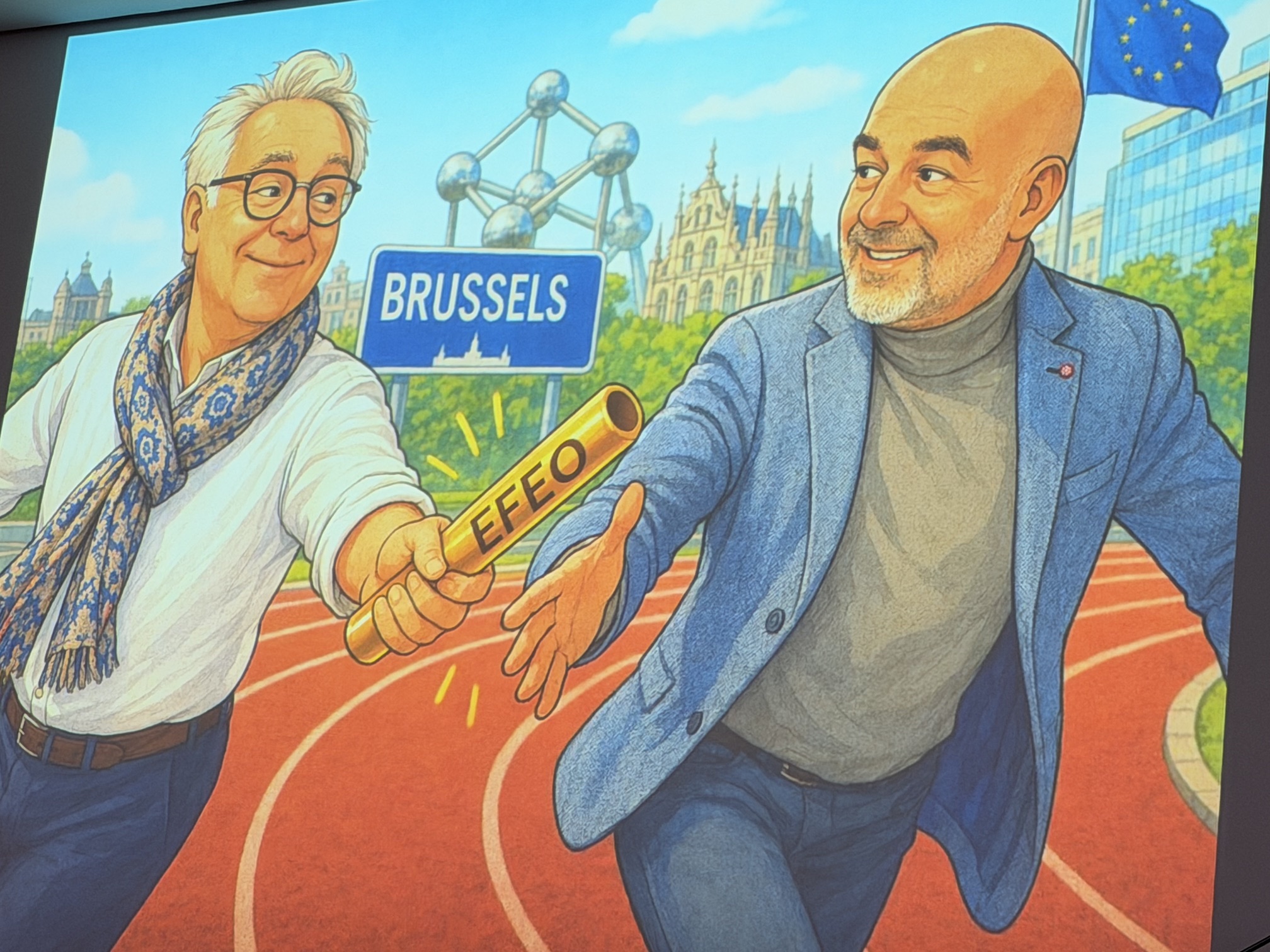
Eric Angelini closed the assembly by emphasising that EFEO’s strength lies in collective effort, shared commitment, and the remarkable involvement of its Board members. He highlighted a significant achievement: EFEO’s collaboration with IFRA on the Omnibus regulation. Looking ahead, he identified the REACH revision and the likely increase in CMR classifications as the sector’s defining challenges in the coming years. His message to members was unambiguous: collaboration with all sister associations is not optional — it is the only path forward. We act now, or we lose everything in 2029.